CONTENTS
SEARCH
HISTORY
HELP
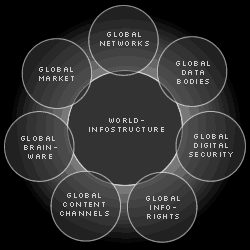
WORLD-INFOSTRUCTURE
> FACT AND OPINION CONSTRUCTION(THINK...
Think Tanks
Geographic Distribution of Think Tanks
Major U.S. Think Tanks: Brookings Institute
Major U.S. Think Tanks: Heritage Foundation
Major U.S. Think Tanks: American Enterprise Institute
Major U.S. Think Tanks: Cato Institute
Major U.S. Think Tanks: RAND Corporation
Dissemination Strategies
Publishing Programs
Table: Publishing Programs of Think Tanks
Educational Programs
The Institute of Economic Affairs
Media Relations
Table: Media References to Major U.S. Think Tanks
Media-Appearance of Think Tanks
Conservative Think Tanks and the Media
Influence on Policy Making by Fact Construction
War on Anti-Poverty Programs
Abolition of Resale Price Maintenance
Think Tanks and Corporate Money
History of Corporate Funding of Conservative Think Tanks
Examples of Mainly Corporate Funded Think Tanks: Brookings Institution
Examples of Mainly Corporate Funded Think Tanks: Cato Institute
Examples of Mainly Corporate Funded Think Tanks: Manhattan Institute
Corporate Money and Politics
Influence of Corporate Funding on Think Tank Activities
The Microsoft Case
Conservative vs. Progressive Think Tanks
Funding Sources and Revenues
Media Relations
Think Tanks and the Internet
Advertising, Public Relations and Think Tanks
RESEARCH MATRIX